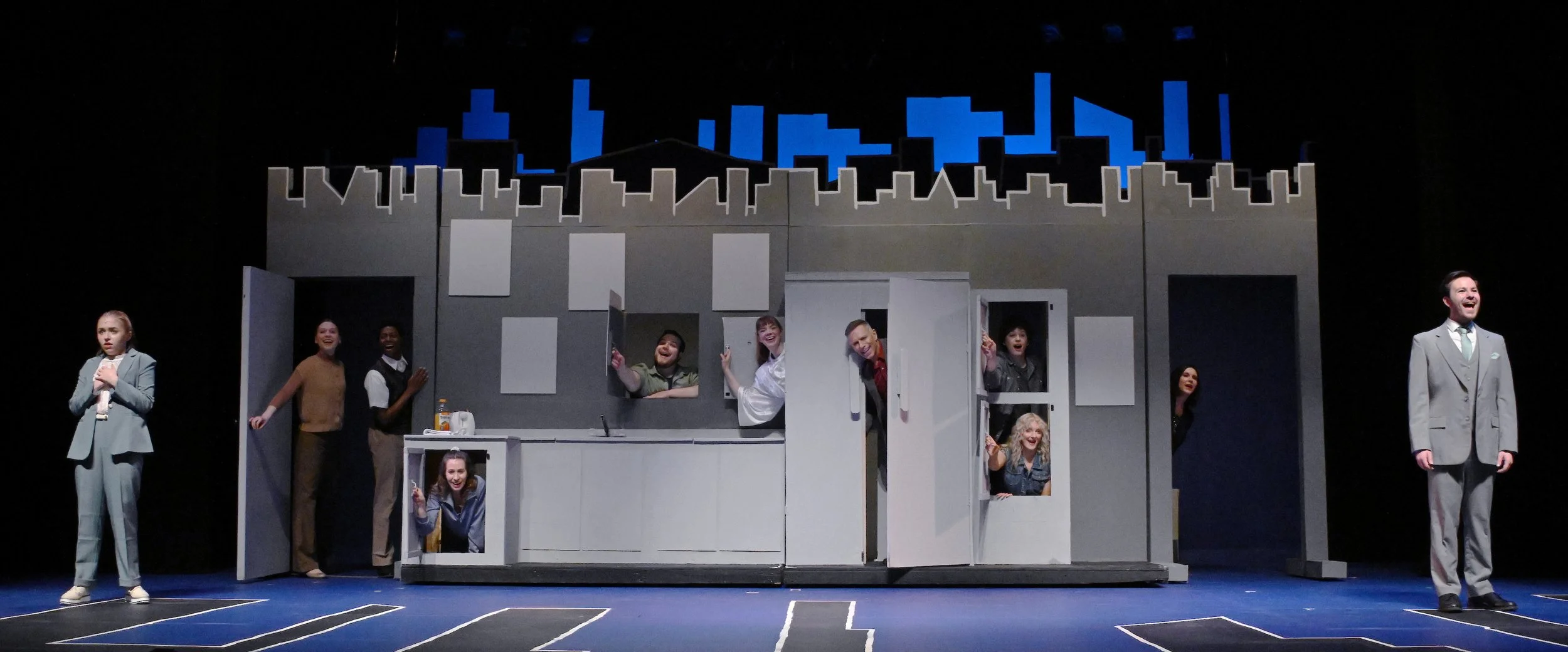
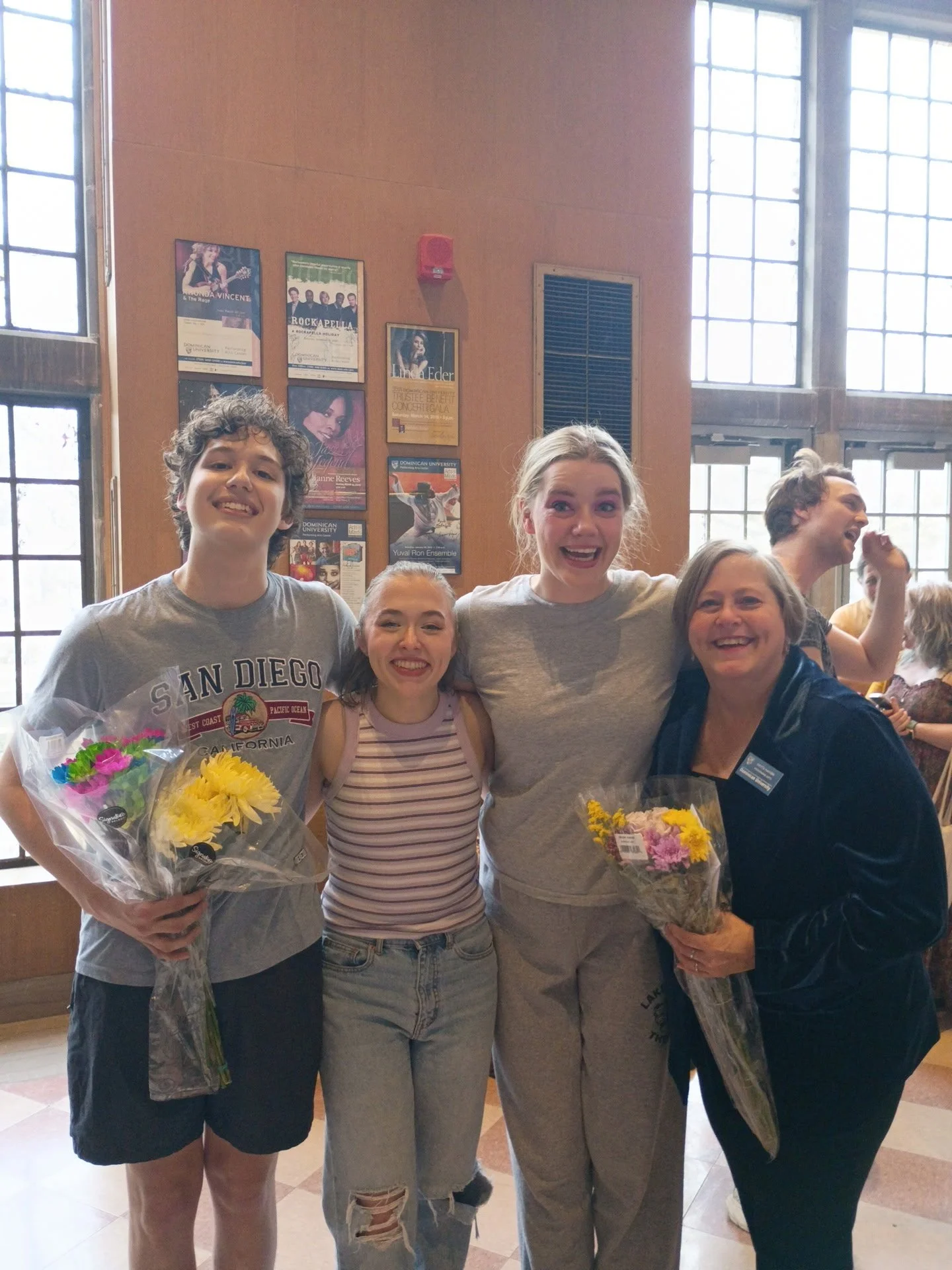
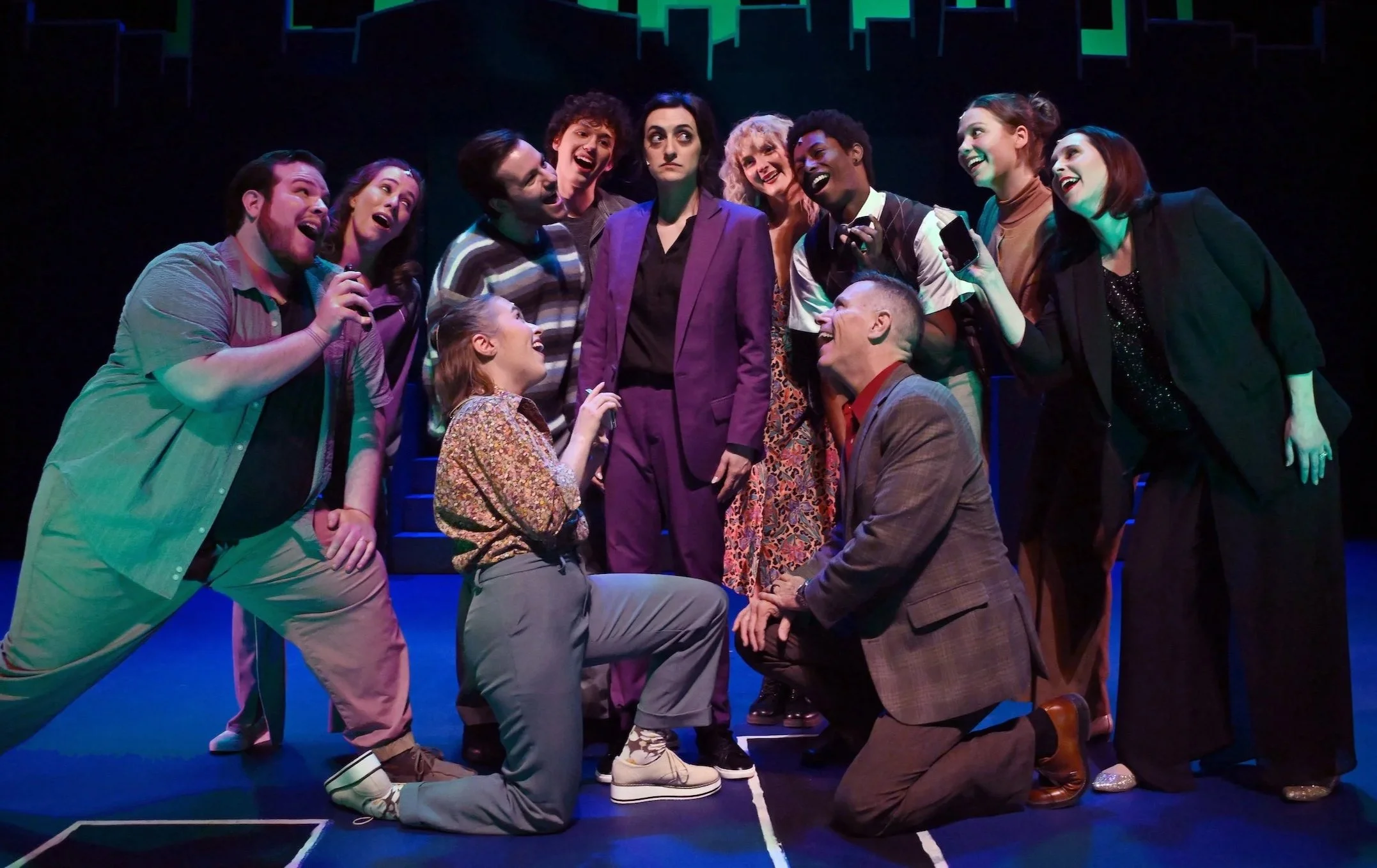
Crutchie in Newsies Jr.
Building Character and a Community
Newsies Jr. was my first time navigating performing a lead and being a leader in the cast. Here is how I managed to do that.
Characterization-



I have wanted to play and do right by Crutchie for a very long time. I also wanted to make sure that I was being careful with how I portrayed his disability.
First, I looked into the background of who Crutchie was based off of. He was based off a kid named “Crutch” or “One leg” Morris who was one of the leaders of the strike and worked as the secretary. He is picured using one crutch to get around.
I knew that I would walk using one crutch.
Newsies Jr. adds an additional layer: Crutchie had polio. I found that a side effect of polio is muscle atrophy in one limb.
I started working with my crutch every day, so it could become an extension of my body.
Now, the voice Crutchie has an NYC accent and dramatic dynamics to show his playfulness and caring side.
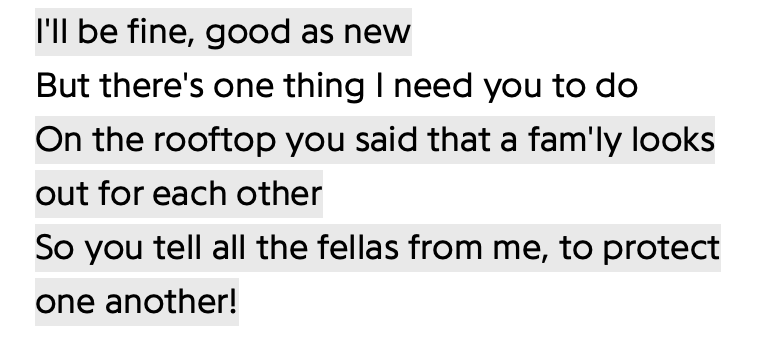
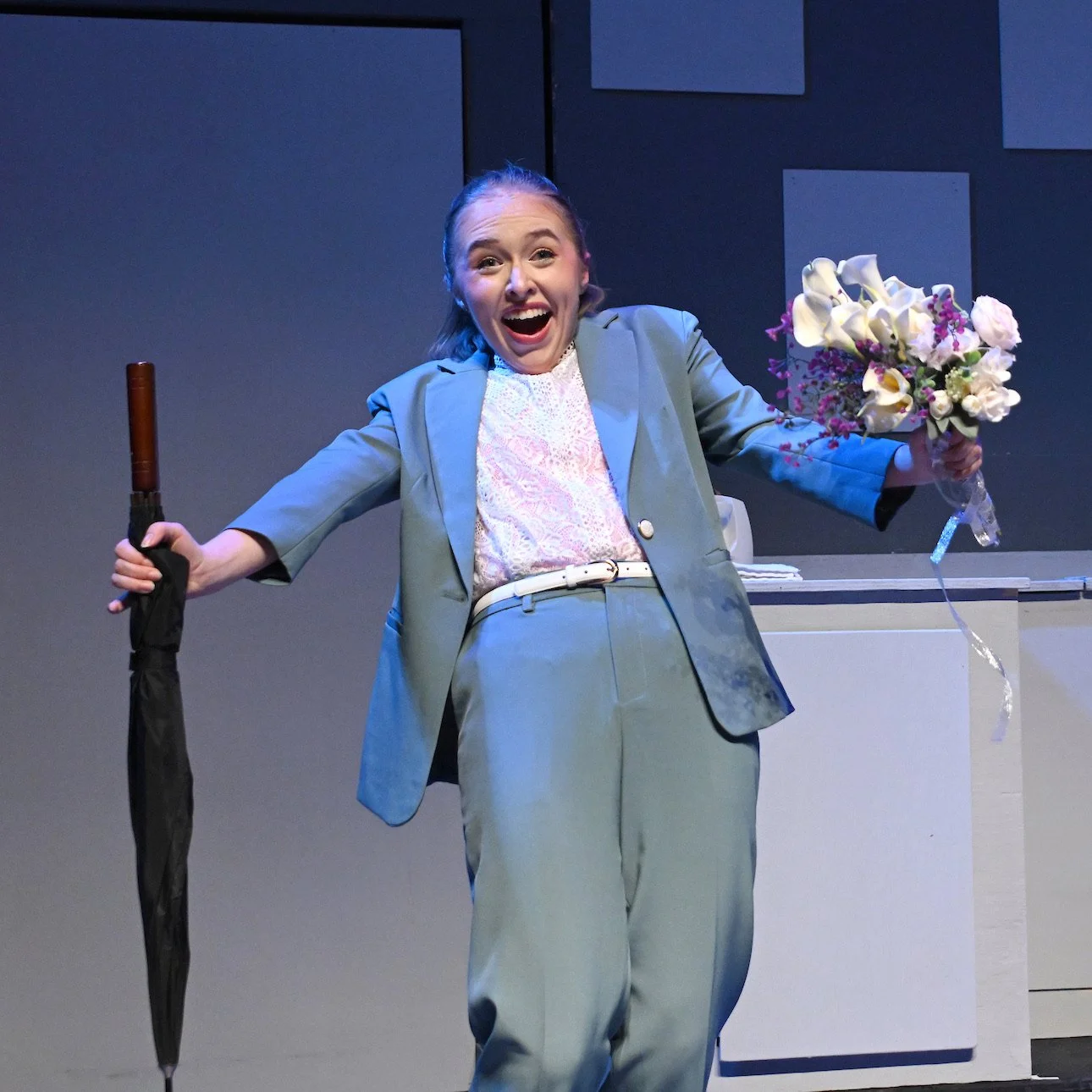
I had the optimism, physical and vocal life sorted out the last thing I had to layer in was how much Crutchie cares about the newsies. He constantly wants to protect them and support his community.
From day one, I could act this out. I care about people dearly so this was easy to play.
Creating Community-
I was working with little kids, and I wanted to help them be able to react authentically to each other. To do that, I needed to help foster the community so that we could work together the way the newsies did. This is best demonstrated in two ways.
Making sure everyone felt included.
The best example was my “adoption” of a castmate. At this theater, we had show siblings, which was a group of two cast mates, one more experienced, one new, assigned to each other. The goal was to give everyone a peer they could ask questions to, because for kids, it is often too intimidating to go to the directing team.
In my cast, one person had to drop the show. Which left one person without a show sib. I adopted them into my family. This made her feel included and helped build rapport in the cast.
Creating systems that encouraged working together.
The best example is during tech week where I would set up posters each day with “questions of the day” these questions were ones that encouraged people to talk to each other. Or created conversation starters. They were enjoyed by the cast, and I saw more people interacting because of them.
Performance-
With the hours of work done, I finally got to perform it in front of an audience. Here is a short clip.
Gallery